
Cognitive Behavioural Therapy (CBT)
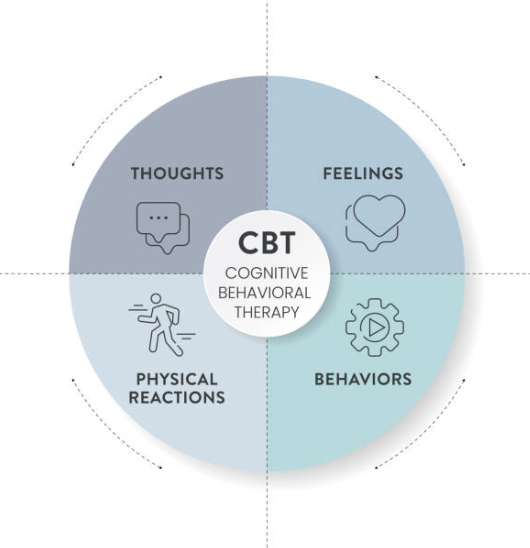
Cognitive behavioural therapy (CBT) is a type of talking therapy that focuses on how your thoughts, feelings, and behaviours are connected. The main idea is that negative or unhelpful thoughts can lead to difficult emotions and actions. By identifying and changing these negative thoughts, you can learn to manage your feelings better and make positive changes in your life.
In CBT sessions, we would work together to explore your thoughts and understand what triggers your emotional responses. Together, we would develop practical strategies to challenge negative thinking and set realistic goals. You would also do activities outside of sessions to practice new skills and reinforce what you’ve learned.
CBT is suitable for many people, especially those dealing with anxiety, stress, or self-esteem issues. Because CBT is focused on real-life challenges, it appeals to those who want practical solutions to improve their mental well-being. Overall, CBT empowers individuals to take charge of their mental health and make lasting positive changes in their lives.
Mindfulness-Based Cognitive Behavioural Therapy (MBCT)
Mindfulness-Based Cognitive Behavioural Therapy (MBCT) is a type of therapy that combines mindfulness practices with traditional cognitive behavioural therapy (CBT). It helps you focus on the present moment and become more aware of your thoughts and feelings, making it easier to handle challenges in a calm manner.
MBCT is particularly helpful if you have experienced low mood in the past, as it can reduce the chances of future episodes. It’s also beneficial if you are struggling with anxiety, stress, or chronic pain. Additionally, if you’re looking to improve your emotional well-being you can benefit from MBCT, as it provides tools to help manage feelings and reactions.
The main benefits of MBCT include better control over emotions, increased awareness of thoughts and feelings, and a reduction in symptoms of anxiety and depression. It teaches you how to respond to stress without feeling overwhelmed. Overall, MBCT is a valuable therapy if you’re looking to enhance your mental health and cope more effectively with life’s ups and downs.

Compassion-Focussed Cognitive Behavioural Therapy
Compassion-Based Cognitive Behavioural Therapy (CBT) combines traditional cognitive behavioural therapy with the practice of compassion. This therapy encourages you to develop kindness towards yourself and others, which can improve emotional well-being and mental health.
The main focus of Compassion-Based CBT is on fostering a compassionate attitude. This helps reduce feelings of self-criticism and shame. It also involves recognising and challenging negative thoughts but adds a compassionate perspective to this process. Mindfulness techniques may be used to help you become more aware of your feelings and cultivate compassion.
Compassion-Based CBT is suitable for a variety of people. It can benefit you if you’re struggling with low self-esteem, as it encourages a kinder internal dialogue. It is also effective if you’re dealing with anxiety or low mood. If you’re looking to enhance your personal growth and emotional resilience you could find this therapy helpful.
The benefits of Compassion-Based CBT include reduced self-criticism, better emotional regulation, and improved relationships. By developing compassion, you can cope with challenges more effectively and enhance your overall mental health.